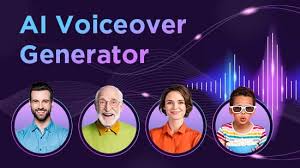
The best AI voice generators offer realistic, human-like speech with a wide range of customization options for tone, speed, and emotion. They cater to various needs, from content creation to accessibility, providing natural-sounding audio for many applications.
Understanding AI Voice Generators
AI voice generators are tools that use artificial intelligence. They turn text into spoken words. Think of them like digital storytellers.
They learn from many human voices. Then, they can create new voices that sound very real. This technology has come a long way.
Early computer voices were often robotic. Now, they can sound almost like a person speaking.
The magic behind these tools is called text-to-speech (TTS). TTS systems analyze your written text. They figure out how to say each word.
They also consider punctuation. This helps them decide where to pause or change their tone. Advanced AI models understand context.
This means they can make the voice sound more natural and expressive.
Why does this matter so much? Well, good audio makes a big difference. Whether you’re making a video, an audiobook, or a podcast, clear sound keeps people engaged.
A voice that sounds like a robot can make listeners tune out. Finding the right AI voice generator can save you time and money. It also lets you create high-quality audio content easily.
In this article, we’ll explore what makes a great AI voice generator. We’ll look at different features. We’ll also talk about where you might use them.
By the end, you’ll have a much clearer idea of which tool is best for your needs. Let’s dive in and explore the exciting world of AI voices.
My First Encounter with AI Voices
I remember the first time I tried to make a voiceover for a small personal project. I had a script for a short animation. I needed a narrator.
My own voice wasn’t quite right for the character. I also didn’t have the budget for a professional voice actor. So, I decided to try a free online text-to-speech tool.
It was… not great. The voice sounded like a cheap robot. It had no emotion.
Every word felt flat and disconnected. I felt a pang of disappointment. This wasn’t what I had imagined at all.
It made my animation feel amateurish. I spent hours tweaking the text, trying to make it sound better. I tried adding extra pauses and changing words.
Nothing really worked.
That experience stuck with me. I thought, “There has to be a better way.” I started researching. I learned about newer AI technologies.
I found tools that could mimic human intonation. They could even add emotions like happiness or sadness. It was like discovering a hidden superpower for my creative projects.
The difference was night and day. It showed me the power of good AI tools.
Key Features to Look For
Voice Quality: Does it sound natural? Is it clear and easy to understand?
Voice Variety: Are there many different voices? Different accents? Genders?
Ages?
Customization: Can you change the speed? Pitch? Volume?
Add pauses?
Emotion Control: Can you make the voice sound happy, sad, excited, or serious?
Language Support: Does it support the languages you need?
Ease of Use: Is the software simple to learn and operate?
Pricing: Does it fit your budget? Are there free options or trials?
What Makes an AI Voice Generator Stand Out?
So, what separates a good AI voice generator from a mediocre one? It really comes down to a few key things. First, the voice quality is paramount.
We want voices that sound like real people. This means natural intonation, rhythm, and no awkward pauses or robotic clicks. The best generators use deep learning.
They are trained on huge datasets of human speech.
Next, look at the variety of voices. A good tool will offer many options. You might need a deep male voice for a documentary.
Or maybe a cheerful female voice for a children’s story. Having different accents and age ranges is also a big plus. Some tools even offer celebrity-like voices, though these can be more expensive.
Customization is another crucial aspect. Can you fine-tune the speech? This includes controlling the speaking rate, pitch, and volume.
Adding custom pauses is also important. This helps you match the voice to the mood of your content. For example, a quick, upbeat pace works for a trailer.
A slower, measured pace suits a serious narration.
Beyond these, emotion and tone control are game-changers. Can the AI express excitement? Sadness?
Anger? Or a neutral, informative tone? Being able to inject emotion makes your audio much more engaging.
This is where the AI truly starts to feel human-like. Some advanced tools even let you adjust specific emotional parameters.
Finally, consider the language support. If you work with different languages, ensure the generator offers them. Also, check if the voices for those languages are as good as the English ones.
A tool might have many English voices but very few good ones for other languages.
Voice Customization Options
Speaking Speed: Adjust how fast or slow the voice reads.
Pitch Control: Make the voice higher or lower.
Volume Adjustment: Control the loudness of the output.
Emphasis: Highlight certain words for effect.
Pauses: needed.
Emotion Selection: Choose from pre-set emotions like happy, sad, or angry.
Popular Use Cases for AI Voice Generators
Who uses these tools? The applications are surprisingly broad. For content creators, AI voices are fantastic.
They can quickly generate audio for YouTube videos. They are useful for explainer videos and presentations. This saves a lot of time compared to recording yourself or hiring someone.
Podcasters often use AI voices. Sometimes it’s for intros and outros. Other times, they might use it to read news articles or summaries.
This can help them produce more content. Or it can fill in when they can’t record new episodes themselves. It’s a flexible solution for ongoing content needs.
Businesses use them for training materials. Corporate videos often need clear narration. AI voices can provide this reliably.
They are also used for customer service. Think about automated phone systems. Or voice assistants that answer questions.
These often use advanced TTS technology. It makes the interaction smoother.
Accessibility is another huge area. People with visual impairments rely on screen readers. These use TTS to read text aloud.
AI voices make this experience much more pleasant. They help make digital content accessible to everyone. This is a really important application of the technology.
Game developers use AI voices for non-player characters (NPCs). Imagine a game with hundreds of characters. Hiring voice actors for all of them would be impossible.
AI voices allow for more immersive game worlds. They can give each character a unique voice. This adds to the player’s experience.
Quick Scan: Top AI Voice Generator Types
- Online Platforms: Web-based tools, often with free tiers.
- Desktop Software: More features, requires installation.
- APIs: For developers to integrate into their own apps.
- Mobile Apps: Convenient for on-the-go use.
Exploring Top AI Voice Generator Options
Now, let’s look at some of the actual tools you might consider. It’s hard to pick just one “best” because it depends on what you need. But here are some highly regarded options.
Many offer free trials so you can test them out.
Murf.ai is often mentioned as a top contender. It boasts a large library of high-quality, natural-sounding voices. Murf.ai offers excellent customization options.
You can adjust pronunciation, add emphasis, and control pitch and speed. It’s great for professional use cases like marketing videos and e-learning. They also have a feature that syncs voice to video.
This makes editing easier.
Play.ht is another strong player. It focuses on delivering very realistic AI voices. Play.ht has a massive collection of voices in many languages.
They also provide WordPress plugins, which is handy for bloggers. Their API is also robust for developers. They offer different plans based on usage, which is good for scaling.
Lovo.ai is known for its emotional range. If you need voices that can convey specific feelings, Lovo.ai is worth checking. They have a library of over 150 human-like voices.
They also provide tools for editing and adding background music. Their pricing is competitive, and they offer a free plan for limited use.
WellSaid Labs is geared towards businesses and professionals. They focus on creating premium, custom voice solutions. Their AI voices are exceptionally realistic and clear.
While often more expensive, they are ideal for high-stakes projects where quality is non-negotiable. They emphasize brand consistency with their voices.
Amazon Polly is a service from Amazon Web Services (AWS). It’s a powerful TTS service that offers a wide range of voices and languages. Polly is pay-as-you-go, making it cost-effective for certain usage patterns.
It’s particularly good for developers who want to integrate TTS into applications. It offers neural voices for very natural speech.
Google Cloud Text-to-Speech offers similar capabilities to Amazon Polly. It also provides high-quality neural voices. Google’s AI is renowned, and their TTS reflects that.
It’s another excellent choice for developers or those already within the Google Cloud ecosystem. They have a vast array of voices and languages available.
When choosing, think about your budget. Also, consider the specific features you need most. Do you need lots of language options?
Or is emotional expression the priority? Trying free versions is the best way to decide.
Contrast Matrix: Free vs. Paid AI Voice Generators
| Feature | Free Generators | Paid Generators |
|---|---|---|
| Voice Quality | Basic, sometimes robotic | Highly natural, human-like |
| Voice Options | Limited selection | Extensive variety, accents, emotions |
| Customization | Basic speed/pitch | Advanced control over tone, emphasis, pauses |
| Usage Limits | Strict limits on length/downloads | Generous or unlimited usage |
| Commercial Use | Often restricted | Typically allowed |
| Support | Community forums | Dedicated customer support |
How to Choose the Best AI Voice Generator for You
Picking the right tool isn’t about finding one that’s “best” for everyone. It’s about finding the best AI voice generator for your specific situation. First, ask yourself: What is my budget?
Free tools are great for testing. But if you need professional quality or high volume, you’ll likely need a paid service.
Next, what will you use it for? If it’s for simple voiceovers for short videos, a basic tool might suffice. If you’re creating an audiobook or a full podcast series, you’ll need higher quality and more features.
For e-learning or corporate training, clarity and professionalism are key.
Consider the languages you need. If you plan to create content in Spanish, French, or German, check the quality of those voices. Don’t assume they are as good as the English ones.
Some generators excel in specific languages.
Think about how much control you need. Do you just want to convert text to speech? Or do you want to sculpt every nuance of the voice?
If you want to add emotion, emphasis, and fine-tune pauses, look for advanced customization options. This is where tools like Murf.ai and Lovo.ai shine.
Ease of use is also important. Some platforms are very intuitive. Others have a steeper learning curve.
If you’re not tech-savvy, look for a user-friendly interface. Many tools offer demos or tutorials, which can help you get started quickly.
Finally, test before you commit. Most reputable services offer a free trial or a limited free plan. Use this to generate samples of your own content.
Listen to them critically. Do they sound good? Are they easy to understand?
Do they fit the tone of your project? This hands-on testing is the most reliable way to find your perfect match.
Scenario-Based Recommendations
For Casual Content Creators (YouTube, Social Media): Murf.ai, Lovo.ai (good balance of quality & features)
For Professional E-Learning & Corporate Videos: WellSaid Labs, Murf.ai (premium quality and control)
For Podcasters & Audiobook Narrators: Play.ht (large voice library, good for long-form)
For Developers & App Integration: Amazon Polly, Google Cloud TTS (powerful APIs)
For Budget-Conscious Users: Many platforms offer free tiers or limited trials.
Real-World Application: Crafting a Narration
Let’s imagine you’re creating a short documentary about local wildlife. You have footage of birds in your backyard. You need a narrator for your video.
You want the voice to be calm and knowledgeable, like a nature documentary host.
You start with your script. “The common robin builds its nest with twigs and grass. It often uses mud to bind the materials.” You input this into a chosen AI voice generator, let’s say Murf.ai.
You browse their voice library. You find a voice named ‘Arthur.’ It’s described as ‘calm, authoritative, and friendly.’
You select Arthur. You listen to the preview. It sounds good, but maybe a little too fast.
You adjust the speed slider down a notch. You notice a comma in your script. The AI puts a small pause there, which is good.
But for emphasis on “mud,” you want a slightly longer pause. You add a custom pause tag.
You also want the voice to sound a bit more wonder-filled when describing the birds’ nests. Some advanced tools let you pick an ’emotion’ setting. You might select a subtle ‘wonder’ or ‘gentle excitement’ option.
You re-generate the audio. This time, it feels much better. The rhythm is right.
The emphasis on ‘mud’ is clear. The slight tone change adds a touch of warmth.
You download the audio file. It integrates perfectly with your video. It sounds professional.
It keeps the viewer engaged. This entire process, from script to final audio, might take minutes. It’s a stark contrast to the frustrating experience I had years ago.
The accessibility of these tools means anyone can create quality audio.
Observational Flow: Creating a Video Narration
Step 1: Write Your Script. Keep sentences clear and concise.
Step 2: Choose Your AI Voice Generator. Select based on quality and features.
Step 3: Select a Voice. Listen to previews to find the best fit.
Step 4: Adjust Settings. Fine-tune speed, pitch, and add custom pauses.
Step 5: Add Emotion (If Available). Select emotional tones for impact.
Step 6: Preview and Refine. Listen critically and make adjustments.
Step 7: Download and Use. Integrate the audio into your project.
What This Means for Content Creation
The rise of AI voice generators means a few things for anyone creating content. First, the barrier to entry for high-quality audio is much lower. You don’t need expensive equipment or professional voice actors for every project.
This democratizes content creation. More people can share their ideas effectively.
It also means you can be more productive. Generating voiceovers can be done in a fraction of the time. This allows you to produce more content.
Or it frees up your time for other aspects of your project, like scripting or editing visuals.
However, it’s important to remember that AI voices are tools. They work best when used thoughtfully. A voice that sounds too robotic or unnatural can still hurt your content.
Overuse of the same few voices can make your content feel repetitive.
The trend is towards more nuanced and emotional AI voices. This will only make them more useful. As the technology improves, we’ll see AI voices that are nearly indistinguishable from humans.
This will open up even more creative possibilities. It’s an exciting time to be involved in content creation.
Myth vs. Reality: AI Voices
Myth: AI voices will completely replace human voice actors.
Reality: AI voices are excellent for many tasks, but human actors still offer unique emotional depth, performance nuances, and authentic artistic interpretation for certain projects.
Myth: All AI voices sound the same, like robots.
Reality: Modern AI voices are incredibly sophisticated and can sound very natural, with options for emotion and varied tones.
Myth: Using AI voices is too expensive for individuals.
Reality: Many AI voice generators offer free tiers or affordable plans suitable for individuals and small creators.
Quick Fixes and Tips for Better AI Voices
Even with the best AI voice generators, a few tips can elevate your audio. Always proofread your script carefully. Typos and grammatical errors can make the AI sound strange.
Ensure your punctuation is correct for natural pauses and flow.
Experiment with different voices. Don’t settle for the first one you try. Listen to several options to find one that truly fits your content’s style and mood.
A different voice might be perfect for your project.
Use customization features wisely. Don’t just speed up every voice to the maximum. Adjust pitch and speed to match the intended emotion.
Too much customization can also sound artificial. Small, strategic adjustments often yield the best results.
Consider adding background music or sound effects. This can help mask any minor imperfections in the AI voice. It also makes your audio more dynamic and engaging.
A subtle background track can make a big difference.
Listen to your generated audio on different devices. How does it sound on phone speakers versus studio headphones? This ensures your audio is clear and pleasant across various listening environments.
What sounds good on one device might not on another.
If a word is consistently mispronounced, some tools allow for custom pronunciation. Use this feature for specific names or technical terms. This ensures accuracy and professionalism in your final output.
This level of control is very powerful.
Quick Tips Summary
- Check your script for errors.
- Try multiple voice options.
- Use customization features sparingly.
- Add background music for atmosphere.
- Test audio on different devices.
- Set custom pronunciations when needed.
Frequently Asked Questions About AI Voice Generators
What is the difference between standard and neural AI voices?
Standard AI voices, often called concatenative or parametric, use pre-recorded speech segments or algorithms to create speech. They can sound more robotic. Neural AI voices use deep learning networks trained on vast amounts of human speech.
They produce much more natural-sounding, fluid speech with better intonation and emotion.
Can I use AI-generated voices for commercial projects?
It depends on the specific AI voice generator’s terms of service. Most paid services allow commercial use, especially for their premium voices. Free services often have restrictions on commercial use.
Always check the licensing agreement before using AI voices for business purposes.
How much does an AI voice generator cost?
Costs vary widely. Free tiers are available with limitations. Paid plans can range from $20 per month for basic access to hundreds or even thousands of dollars per month for enterprise-level solutions with extensive features and usage.
Pricing is often based on the number of characters you convert or the features you need.
Are AI voices becoming indistinguishable from human voices?
The best neural AI voices are getting very close. For many applications, they are already indistinguishable. However, subtle nuances, complex emotional performances, and highly specific artistic interpretations are still areas where human voice actors often excel.
The gap is closing rapidly, though.
Can I clone my own voice using AI?
Yes, many advanced AI voice generators offer voice cloning features. You typically need to provide a sample of your voice, often several minutes long. The AI then learns your vocal characteristics to create a synthetic version of your voice.
This requires specific tools and permissions.
What are the ethical considerations of using AI voices?
Ethical considerations include transparency (disclosing when a voice is AI-generated), preventing misuse (like creating deepfakes or spreading misinformation), and respecting intellectual property rights. It’s important to use these tools responsibly and ethically. Transparency is key for trust.
Conclusion: Your Voice, Amplified
Finding the best AI voice generator is about matching its capabilities to your goals. The technology offers incredible potential for creators. It makes high-quality audio accessible to everyone.
Whether you’re a student, a small business owner, or a seasoned content producer, there’s a tool out there for you. Explore the options, test them out, and bring your projects to life with the perfect AI voice.